


Favorites
Customize ESPN
Ferrari to add blue to F1 car for Miami GP
Ferrari will race at the Miami Grand Prix with a colour scheme featuring two different shades of blue to mark its history in the United States.
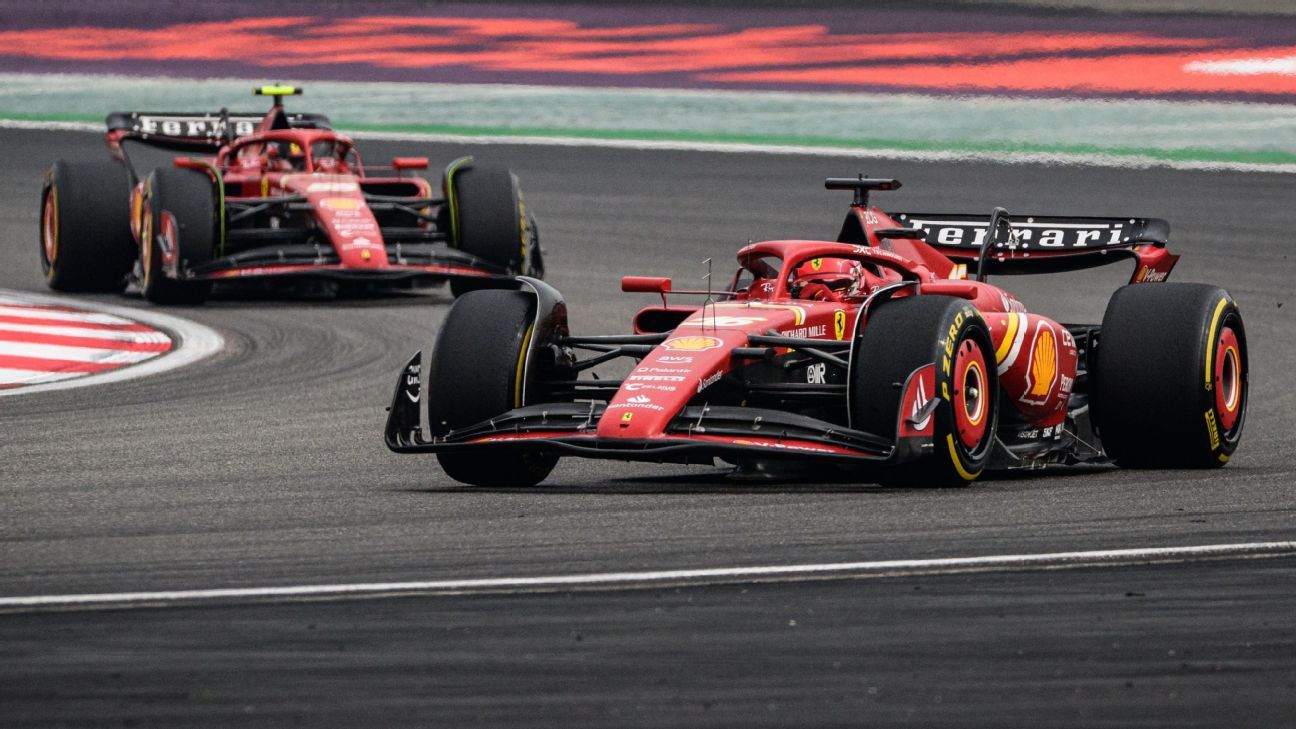
John Ricky/Anadolu via Getty Images
TOP HEADLINES

CHINESE GRAND PRIX
MORE MAX MASTERY
After Verstappen's Chinese GP victory, who can challenge his F1 dominance?
Red Bull's Max Verstappen is continuously upping his game, and his performance at the Chinese Grand Prix shows he's not slowing down.
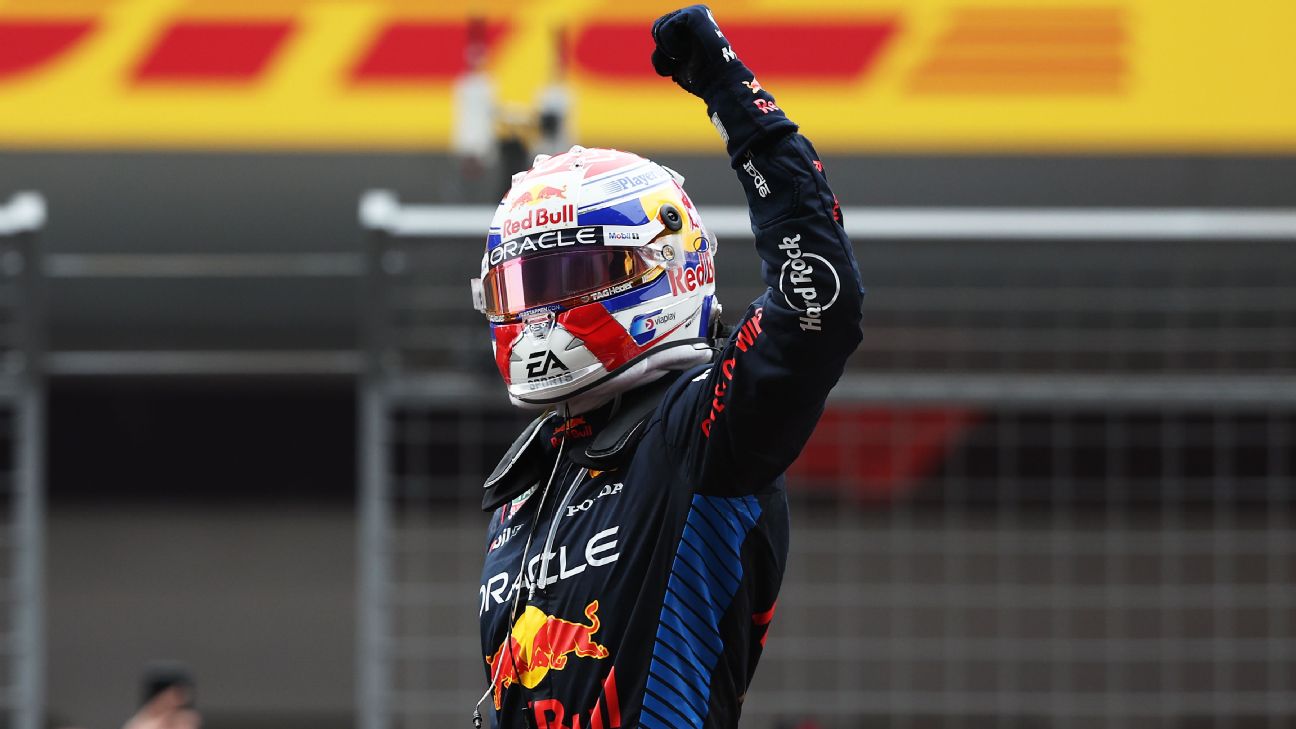
(Photo by Lintao Zhang/Getty Images )
STATE OF PLAY
State of play in F1 as Red Bull, Max Verstappen untouchable while Lewis Hamilton, Mercedes struggle
With the Formula 1 season approaching its quarter-way point, we've taken a look at the state of play for each of the grid's 10 teams.
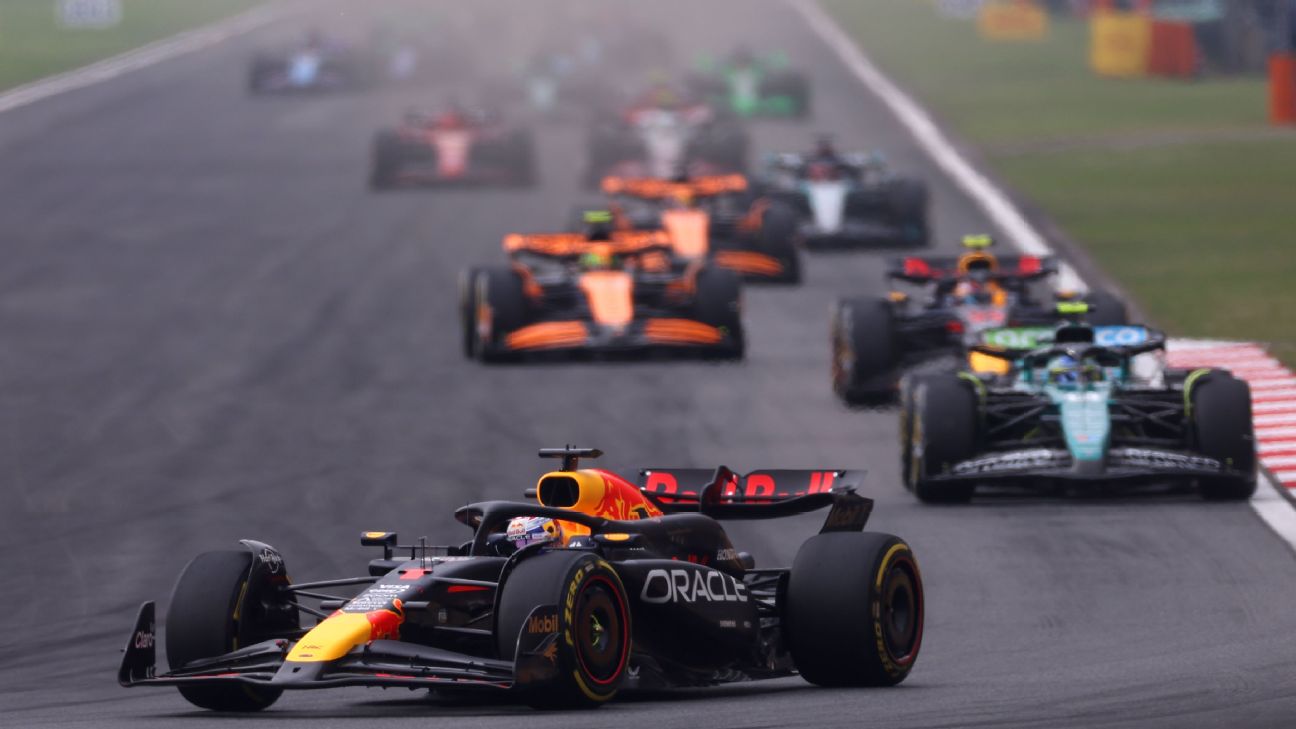
(Photo by Lars Baron/Getty Images)
FORMULA ONE
CHINESE GRAND PRIX
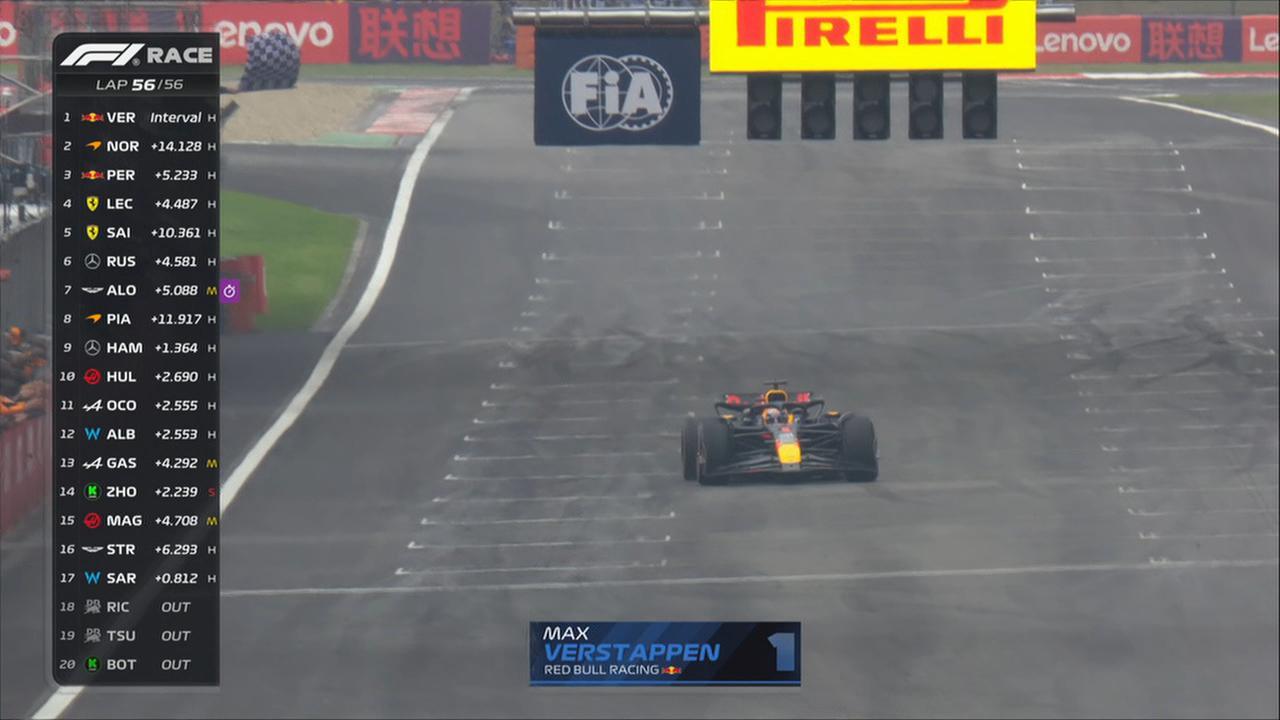
Verstappen eases to Chinese GP win, Norris second ahead of Perez
Max Verstappen overcame two different Safety Car periods to record another easy win at the Chinese Grand Prix.

PEDRO PARDO/AFP via Getty Images
Restart chaos causes two crashes at Chinese GP

1:52
Max Verstappen wins his first ever Chinese GP
1:04
CHINESE GRAND PRIX
Zhou Guanyu 'emotional' after finishing the Chinese Grand Prix

0:28
Verstappen reacts to 'incredible weekend' at Chinese Grand Prix

0:33
CHINESE GP
Chinese Grand Prix Paddock Diary: Guanyu's homecoming, track surface concerns
The track surface at the Shanghai International Circuit is an early talking point, while Zhou Guanyu races on home soil for the first time at the top level.
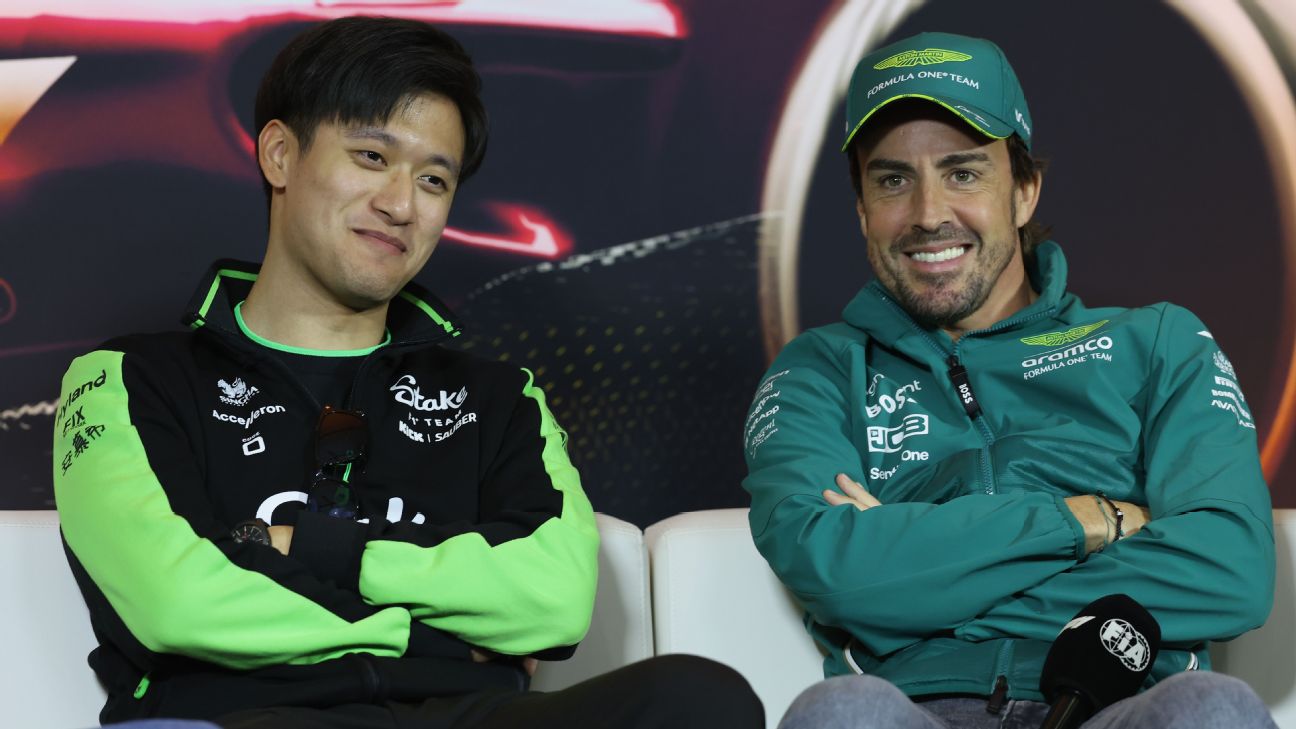
(Photo by Lintao Zhang/Getty Images )
Why Sauber is a 'really good' option for Carlos Sainz

1:30
UNLAPPED PODCAST
Chinese GP preview & Alonso commits to Aston Martin until 2026 | ESPN F1 UNLAPPED
Chinese GP preview & Alonso commits to Aston Martin until 2026! - ESPN F1 UNLAPPED
ESPN
DRIVER MARKET
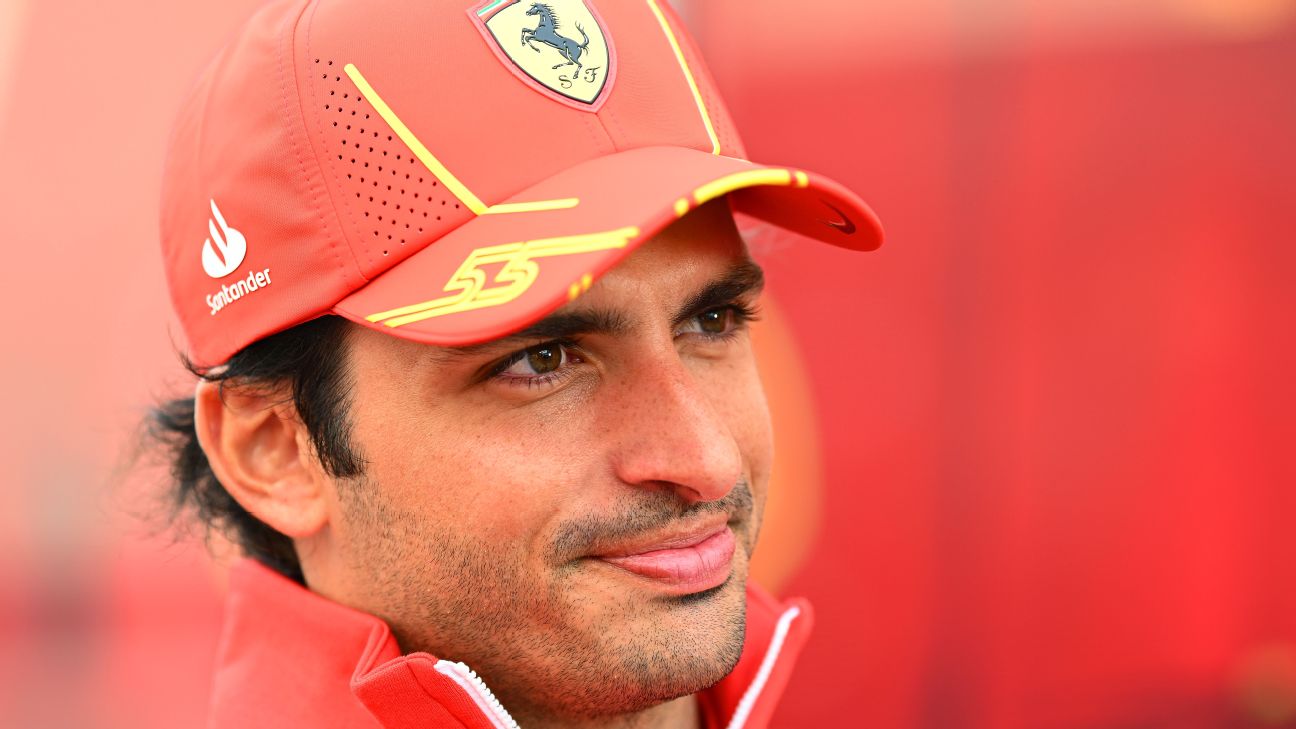
Where could Alonso-Aston deal leave Sainz in 2025 F1 market?
After Aston Martin announced a new contract for Fernando Alonso on Thursday, the list of Carlos Sainz's potential new teams for 2025 shrunk by one.
Clive Mason/Getty Images
FORMULA ONE
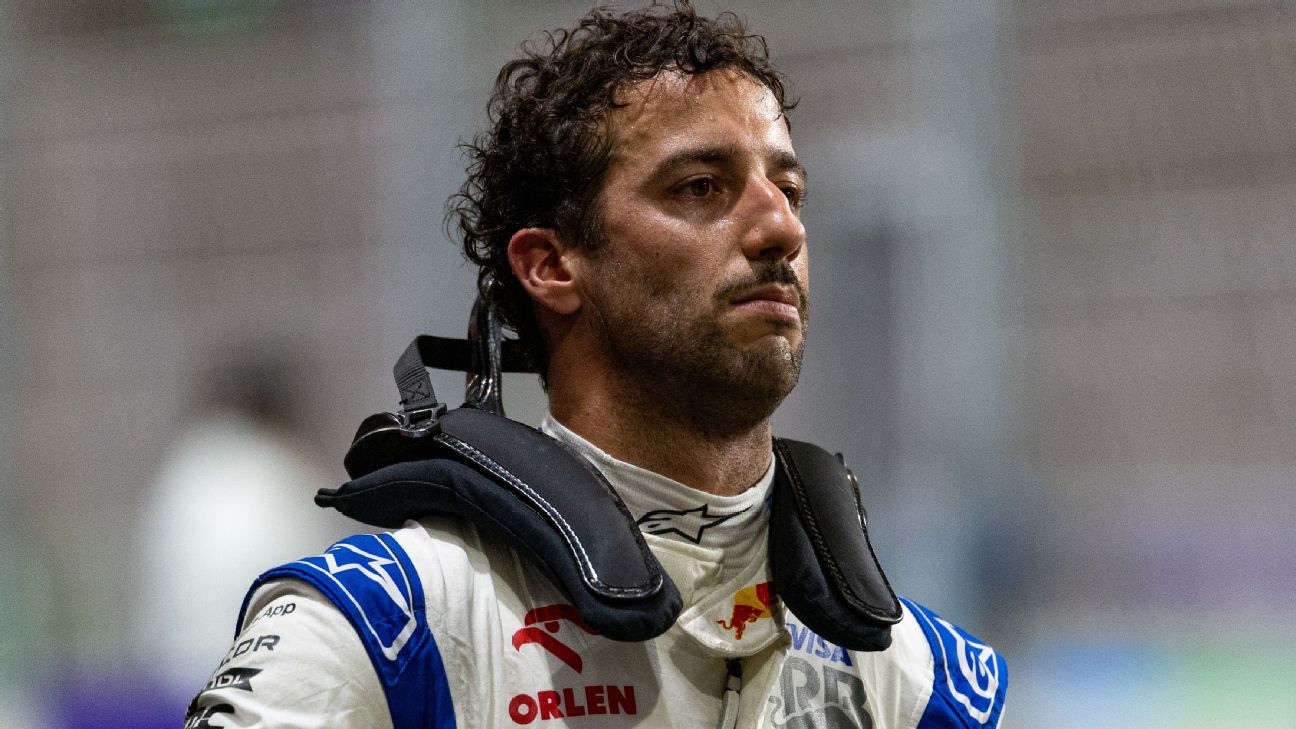
Ricciardo's struggles being exacerbated by Tsunoda's speed
Daniel Ricciardo was supposed to spend 2024 preparing for a potential return to Red Bull. Instead, he's being outperformed by teammate Yuki Tsunoda.
Kym Illman/Getty Images
Top Headlines
- F1 to discuss revised points structure
- Horner: Verstappen not making F1 'boring'
- Wolff: Verstappen could still leave Red Bull
- Norris 'pleasantly surprised' with podium finish
- Zhou on home race: I'm honoured to be here
- Ricciardo on crash: Stroll 'made my blood boil'
- Stewards dismiss Aston Martin's Sainz protest
- Horner: No rush to confirm 2025 driver line-up